
2026 Minor Dwelling Rules - What Kiwi Homeowners Need to Know
Posted on January 29, 2026 in Living
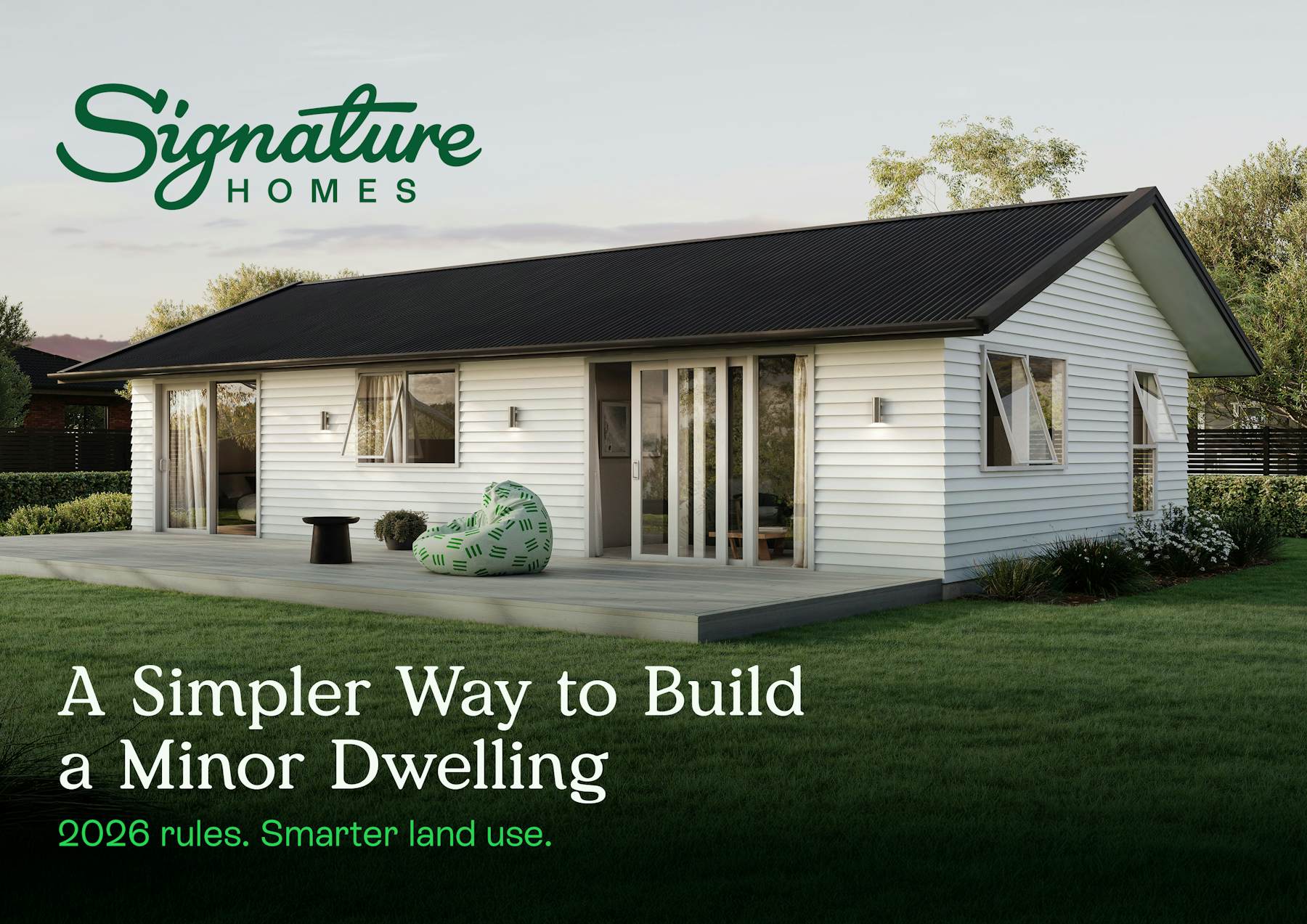

New 2026 Rules for Minor Dwellings
There was a time when adding a small house (granny flat) in your backyard, a place for parents, teens, renters, or even yourself felt like wading through red tape. Think long council waits, hefty fees, and paperwork and paperwork that only made sense after reading it three times.
But New Zealand’s 2026 minor dwelling changes flipped much of that on its head. And while it’s easy to read about "consent exemptions" and shrug it off as another government technicality, the reality is something more interesting: it’s about giving people choices, flexibility, and faster outcomes when it comes to using the land they already own.
For many homeowners, it turns a "maybe one day" idea into something genuinely achievable.
Let’s walk through what this means, in plain Kiwi terms, without the confusing talk.
A new way of thinking about small homes
If you’ve ever thought, "I’d love a tiny house in the backyard", you’re not alone. Whether it’s for the grandparents, teenagers, or a rental income stream, there’s a huge demand for compact living spaces.
Traditionally, this meant:
- Getting a building consent
- Going through the resource consent process
- Paying fees for both
- Chasing engineers, architects, and council officers for approval.
And that could add expenses and months of waiting to find out whether your build is feasible.
The 2026 changes shift that experience for many projects – and in some cases, they can save homeowners up to $5,650 in consent-related costs and cut approval timelines by up to 14 weeks, depending on the site and council.
What the new rules actually let you do

Under the National Environmental Standards for Detached Minor Residential Units (NES-DMRU), a minor dwelling can be a permitted activity, meaning no resource consent is required if the standards are met.
If your minor dwelling ticks these boxes, you don’t need to go through the usual consent maze:
- Be no larger than 70m² (internal floor area)
- Be single-storey and fully detached
- Have only one minor dwelling per site
- Be under the same ownership as the main house
- Sit at least 2 metres away from the principal dwelling
Meet boundary setback rules:
- Residential zones: 2m from all boundaries
- Rural zones: 10m front setback, 5m side and rear
- Be located in an eligible zone, including residential, rural, mixed-use, or Māori-purpose zones
If your project fits within these limits, you don’t need a resource consent, removing one of the biggest planning hurdles most homeowners face.
What about building consent?
This is where a separate but related rule comes in. Under the Building Act, certain minor dwellings can also be built without a building consent, as long as they are:
- A simple, single-storey design
- Fully compliant with the Building Code
- Built or supervised by Licensed Building Practitioners (LBPs)
- Supported by a Project Information Memorandum (PIM)
When both sets of rules are met:
✔️ the NES-DMRU (resource consent)
✔️ the Building Act exemption (building consent)
A minor dwelling can be built without going through either the consent process. That’s a huge deal because it speeds up the whole project and cuts out one of the biggest hurdles most people dread.
But (and this is important) this is not a free pass to just throw something together. You still have to do it properly, safely, and legally.
So what do you still need to do?
It removes the need for formal consents – but not the responsibility to get things right.
- Meet all planning rules
Including height limits, boundary setbacks, and site coverage - Apply for a Project Information Memorandum (PIM)
This confirms what you’re planning to build and highlights any site-specific requirements. - Notify the council before work starts
Even without consent, the council still needs to be informed. - Provide Records of Work once the build is complete
This shows the dwelling was built and signed off by licensed professionals.
In some areas, including Auckland, you may also need to allow for Development Contributions, even if no building or resource consent is required. These are assessed separately and are usually confirmed through the PIM process.
In short: less red tape, but still clear rules. And if you’re unsure what applies to your site, we can help you work through the requirements and next steps, so there are no surprises later.
The good news? We take care of this.

Where Signature Homes fits in
Our Minor Dwelling Range is designed for real Kiwi backyards and real-life needs.
- Thoughtfully designed to suit smaller footprints
- Easy to personalise
- A smart way to add long-term value
From modern one-, two-, and even three-bedroom layouts, our range is designed with comfort, durability, and practicality in mind.
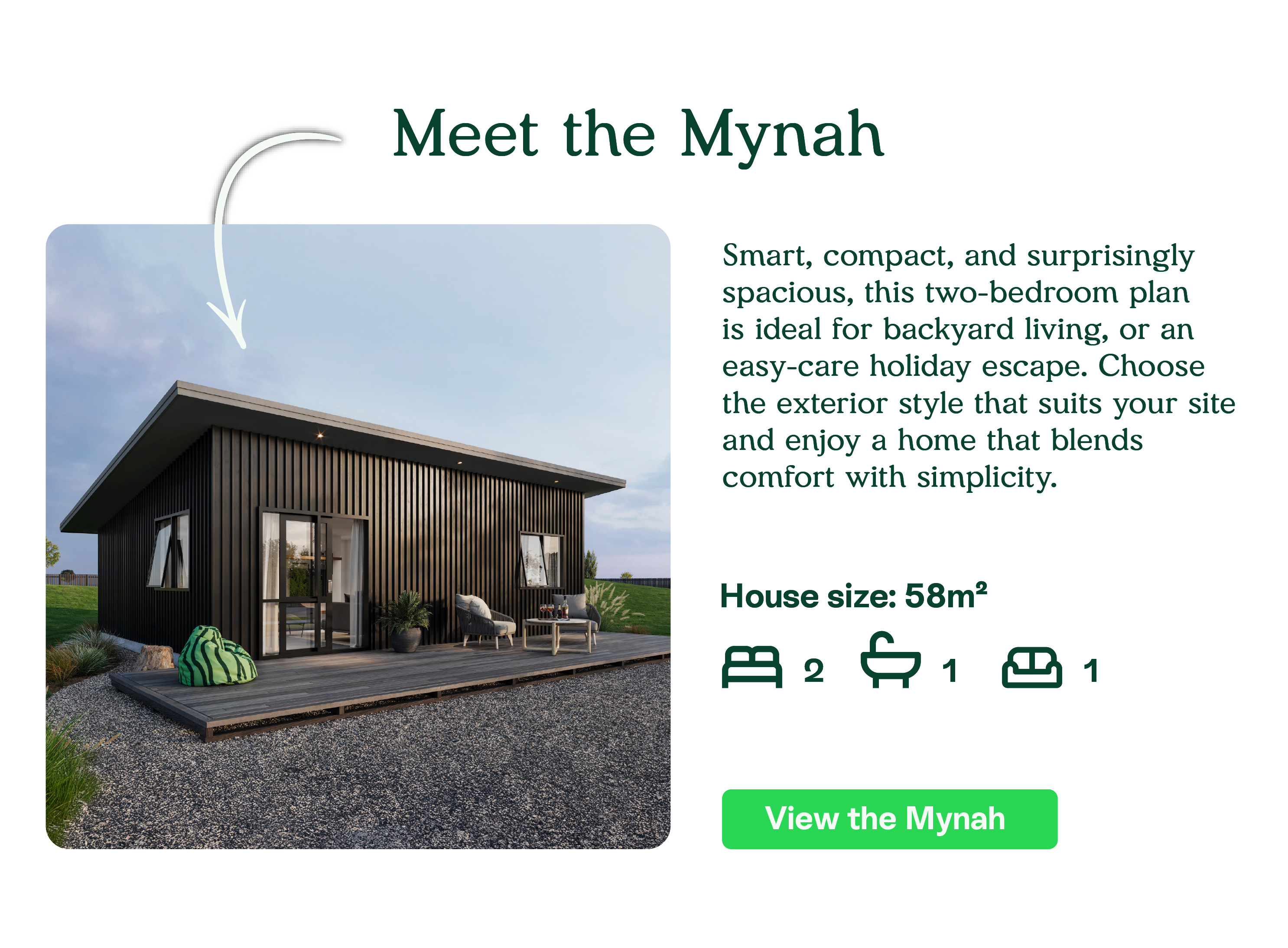
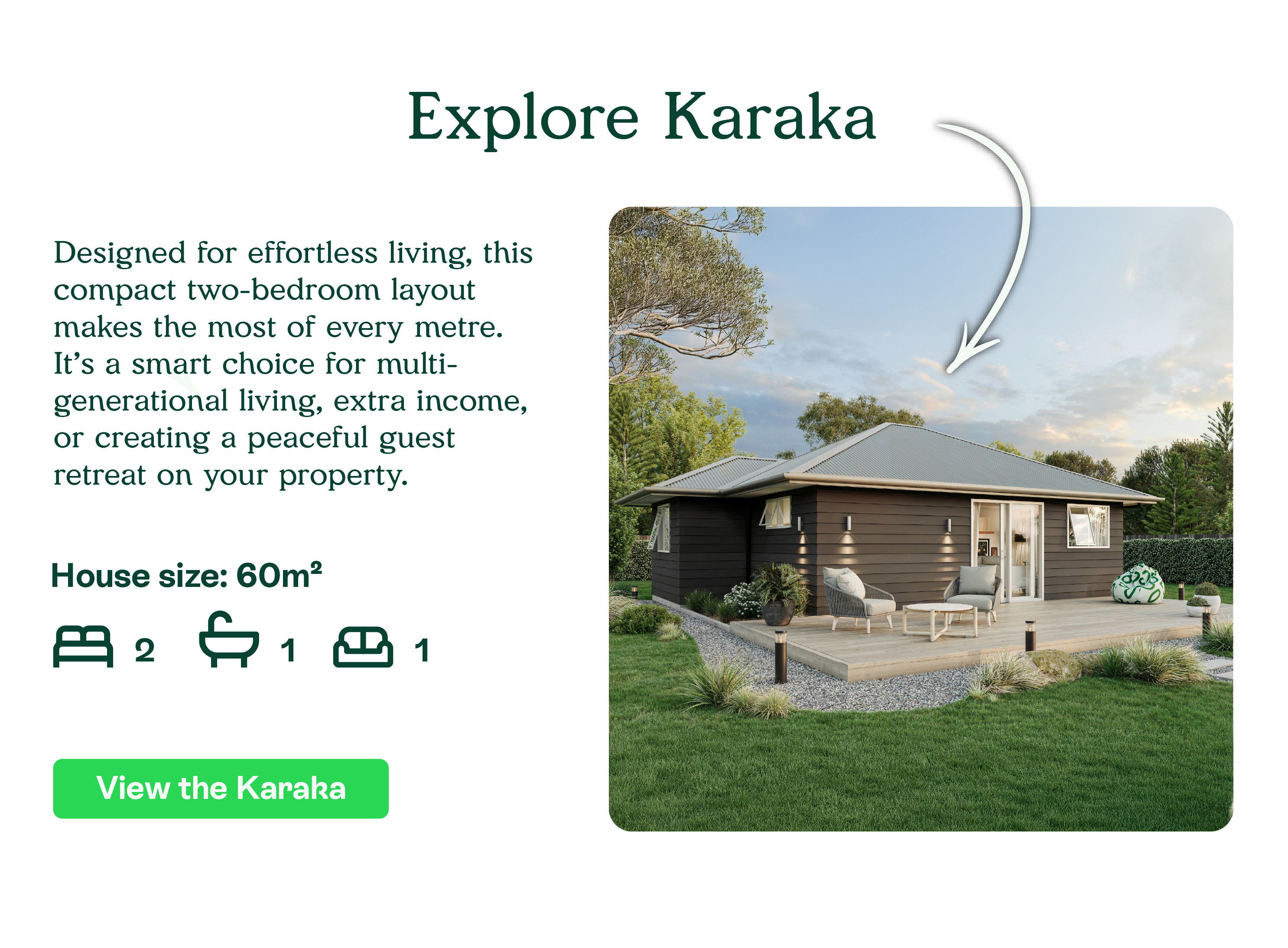
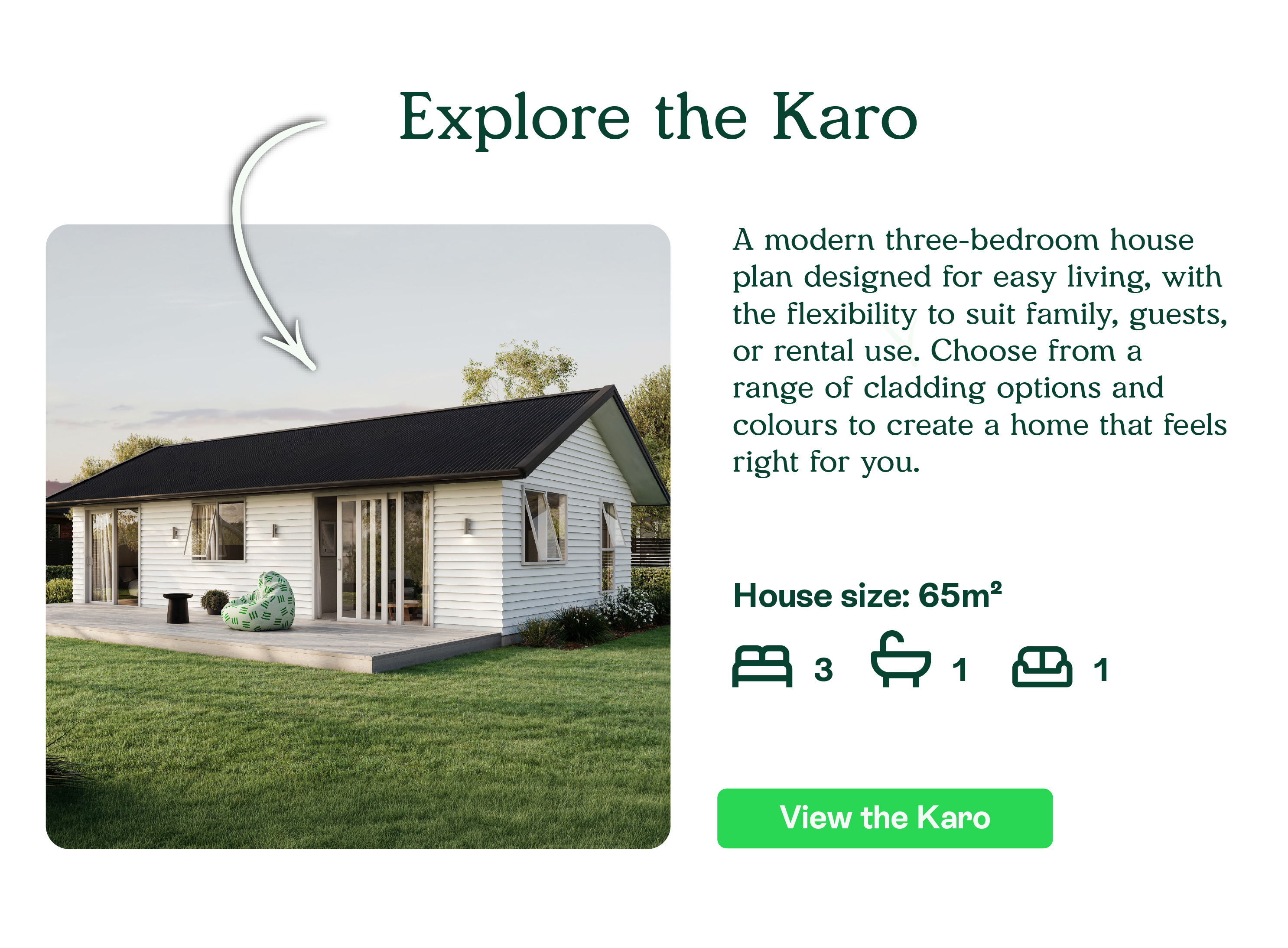
👉 Explore the full Minor Dwelling Collection
Minor dwellings aren’t just a trend. They’re a smart, flexible way for Kiwis to rethink how we live – and the 2026 changes make that future more reachable than ever.